One of the biggest mistakes I see travelers make is choosing dates based on flight deals or fixed vacation time without thinking about what Italy actually offers during that month.
The same destination can feel completely different depending on when you go.
When I design an itinerary, timing is never an afterthought. Here’s how each month shapes your experience and how I help you choose the right window for your trip.
January
January is quiet, practical, and focused on cities.
What works
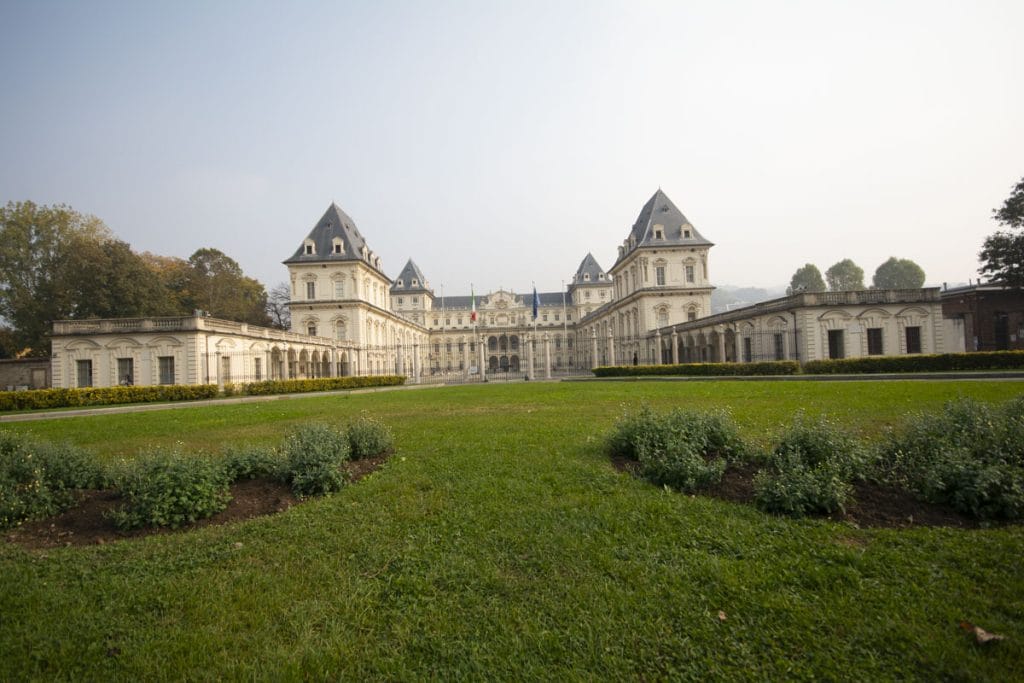
- Rome, Florence, Turin, Milan, Palermo, Cagliari, Naples
- Museums, food-focused trips, cultural itineraries
- Fewer crowds and lower hotel rates
What to skip
- Coastal towns with limited services and beach resorts
I recommend January if you value calm days and don’t mind cooler weather.
February
February stays quiet with a few exceptions.
What works
- City-based itineraries
- Northern Italy ski destinations such as Trentino-Alto Adige and Valle d’Aosta
- Great Carnival destinations such as Venice, Ivrea, and Sardinia, if you plan well
What to watch
- Carnival raises prices and crowds, especially in Venice, but also in other key locations
I use this month for travelers who want to experience an authentic atmosphere without peak-season pressure.
March
March is a transition month. Italy starts to wake up, but the weather is still unpredictable.
What works
- Rome, Naples, Florence, Turin, Milan, Genoa
- Hill towns before high season
- Cultural travel with manageable crowds
What to consider
- Weather can shift quickly
- Some rural areas are still seasonal
- Some hotels, resorts, and farm stays might still be closed
March suits travelers who want balance and flexibility.
April
April is popular for good reason.
What works
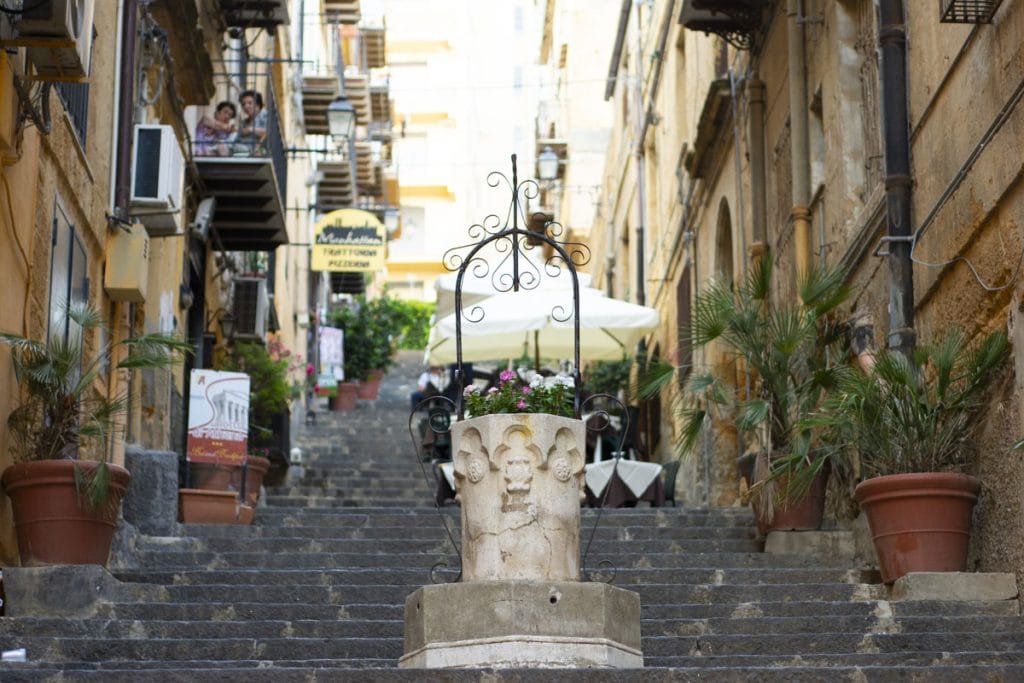
- Tuscany, Umbria, Lazio countryside, Sardinia, Sicily, Matera, Puglia
- Major cities before summer peaks
- Gardens, outdoor walking, food experiences, traditional Easter celebrations
What to plan around
- Easter week affects prices and availability
I design April trips carefully to avoid crowd spikes and holiday closures while suggesting the best Easter celebrations.
May
May is one of the strongest months for Italy travel.
What works
- Almost every region, you can experience low season and some closures in northern regions with ski tourism
- Lakes, countryside, and early coastal stays
- Walking-focused itineraries
What to know
- Late May sees rising demand, sold-out entrances and activities, higher prices
If you want choice and variety, May gives you options but early booking is necessary.
June
June marks the shift toward the highest season.
What works
- Northern regions and the Alps
- Lakes and cooler destinations
- Early summer coastal stays
What to manage
- Heat in cities
- Rising prices in popular areas
I often adjust routes in June to keep days comfortable as the temperatures start to rise.
July
July is busy and hot, but not unworkable.
What works
- Mountains, lakes, and northern regions
- Sardinia and less crowded coastlines
- Boat tours around the coast
- Slow travel with built-in rest days
What to avoid
- Overpacked city hopping
- Tight schedules
July requires smart pacing and the right bases.
August
August is Italy’s most misunderstood month.
What works
- Coastal regions
- Mountain towns
- Festival-focused travel
- Sardinia, Sicily, Calabria, Abruzzo, Marche
What to expect
- Ferragosto closures mid-month
- Crowded tourist areas and beaches
- Higher prices
I plan August trips around local rhythms so you’re not caught off guard and look at lesser-known destinations to avoid large crowds.

September
September is one of my favorite months to design.
What works
- Cities, countryside, and coast
- Wine regions during harvest
- Comfortable weather and strong availability
- Sardinia, Sicily, Abruzzo, Calabria, Puglia, Basilicata
What to note
- Early September still feels like summer
- Beaches are still crowded
September offers depth without the summer chaos.
October
October is ideal for slower travel.
What works
- Food and wine itineraries
- Cultural cities such as Rome, Florence, Venice, Bologna, Turin, Genoa
- Rural regions and hill towns
- Puglia, Sicily, Sardinia, Basilicata, Calabria
What to plan for
- Shorter days
- Seasonal closures toward late October
I often recommend October for travelers who want immersion and an authentic Italian vibe.
November
November is quiet and underrated. The weather is still pleasant and crowds are gone.
What works
- Rome, Florence, Bologna, Sardinia
- Museum-focused travel
- Lower hotel prices
What to skip
- Coastal destinations
- Boat tours
- Seasonal towns
It’s a strong choice if crowds are your main concern.
December
December brings the atmosphere back.
What works
- Christmas markets in the north
- Rome and Vatican City
- Food-driven city trips
What to plan around
- Holiday closures
- Limited transportation on key dates
I design December trips around festive moments, large crowds in tourist destinations, and local schedules.
How I Help You Choose the Right Month
When you work with me, I don’t just ask when you can travel. I ask what you want to experience, how you feel about crowds, and how you like to move through your days.
Then I design a route and pace that make sense for that month.
📍 Choosing the right timing can change everything about your trip. If you want help deciding when to visit Italy and building an itinerary that works for that season, I can design it for you.
📍 If you are looking for an all-inclusive vacation package where I handle all the bookings, book a free inquiry call and let’s start building your trip!
Sharing is caring!